Blog
Notes on draw reviews and observed progress.
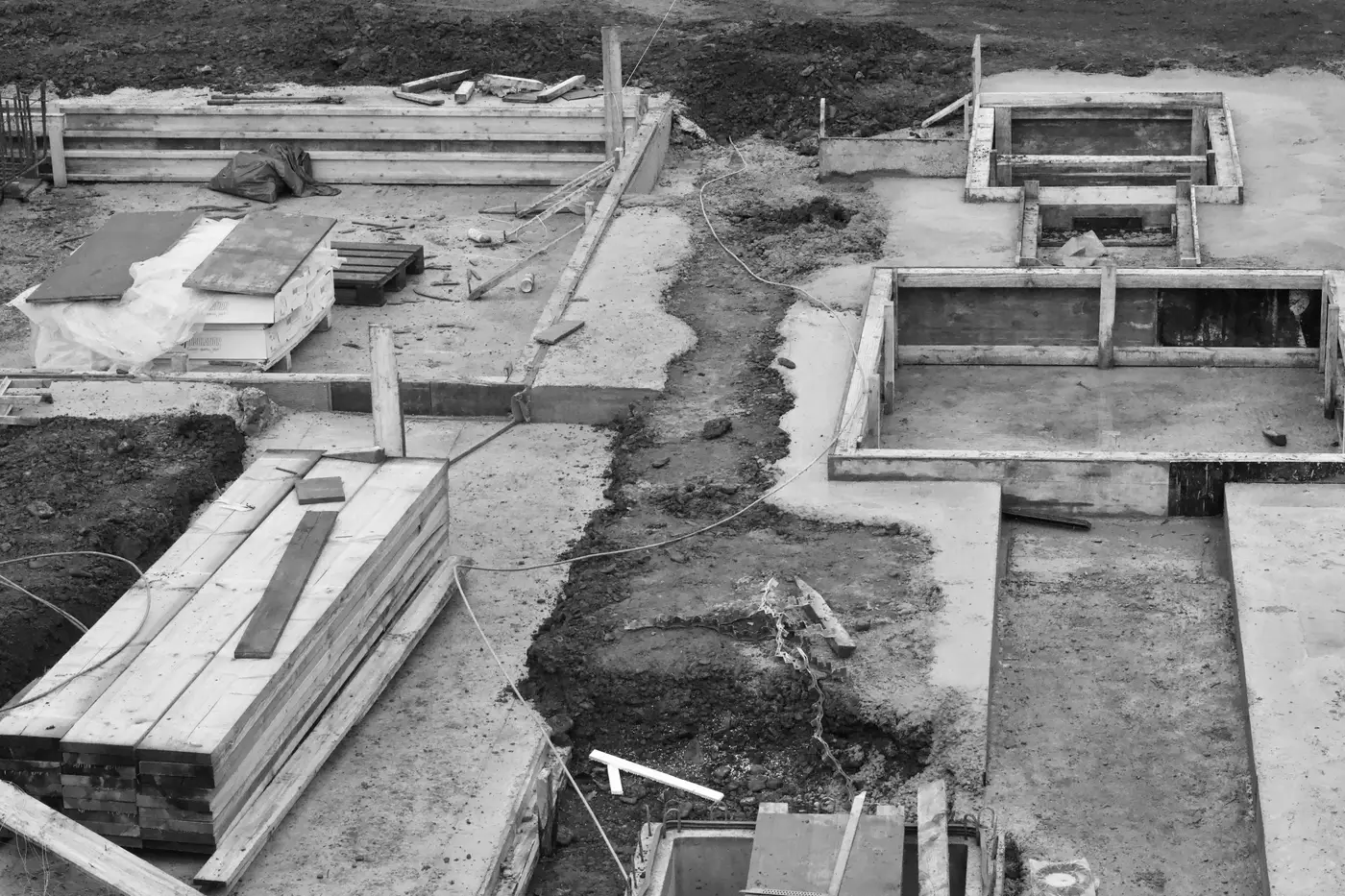 Field notes: the week the schedule said framing and the flyover said foundations
A field-notes look at the gap between a GC's schedule narrative and what a weekly flyover shows on the slab.
 Excusable delay vs. contractor-caused delay: what the draw table needs to see
How owners and lenders tell a weather day from a contractor-caused delay, and what documentation actually holds up against a time-extension claim.
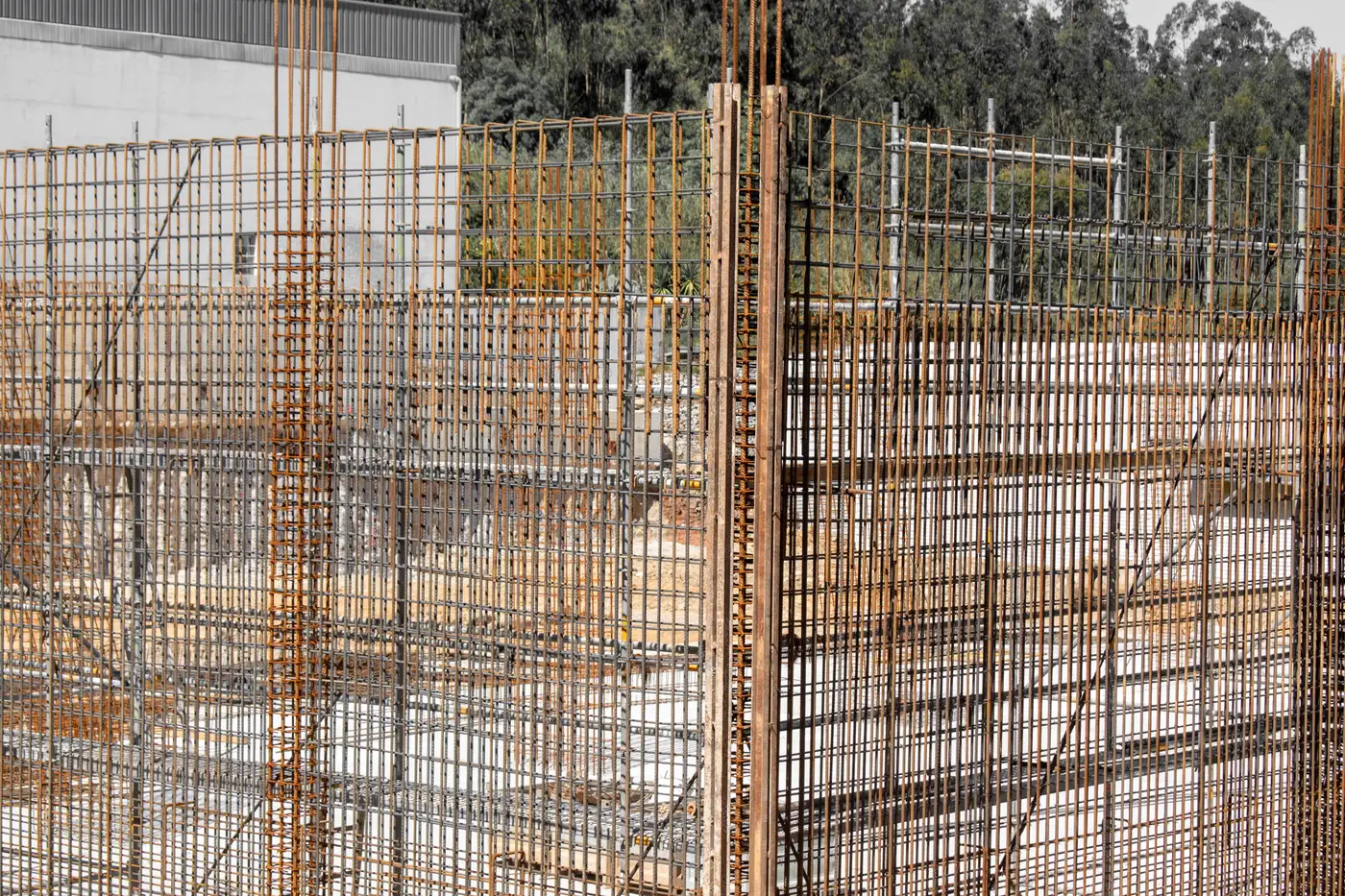 Observed vs. billed percent complete: what the gap means for a draw
Billed percent complete comes from the contractor's pay app. Observed percent complete comes from the site. Here's what the gap between them tells a lender.
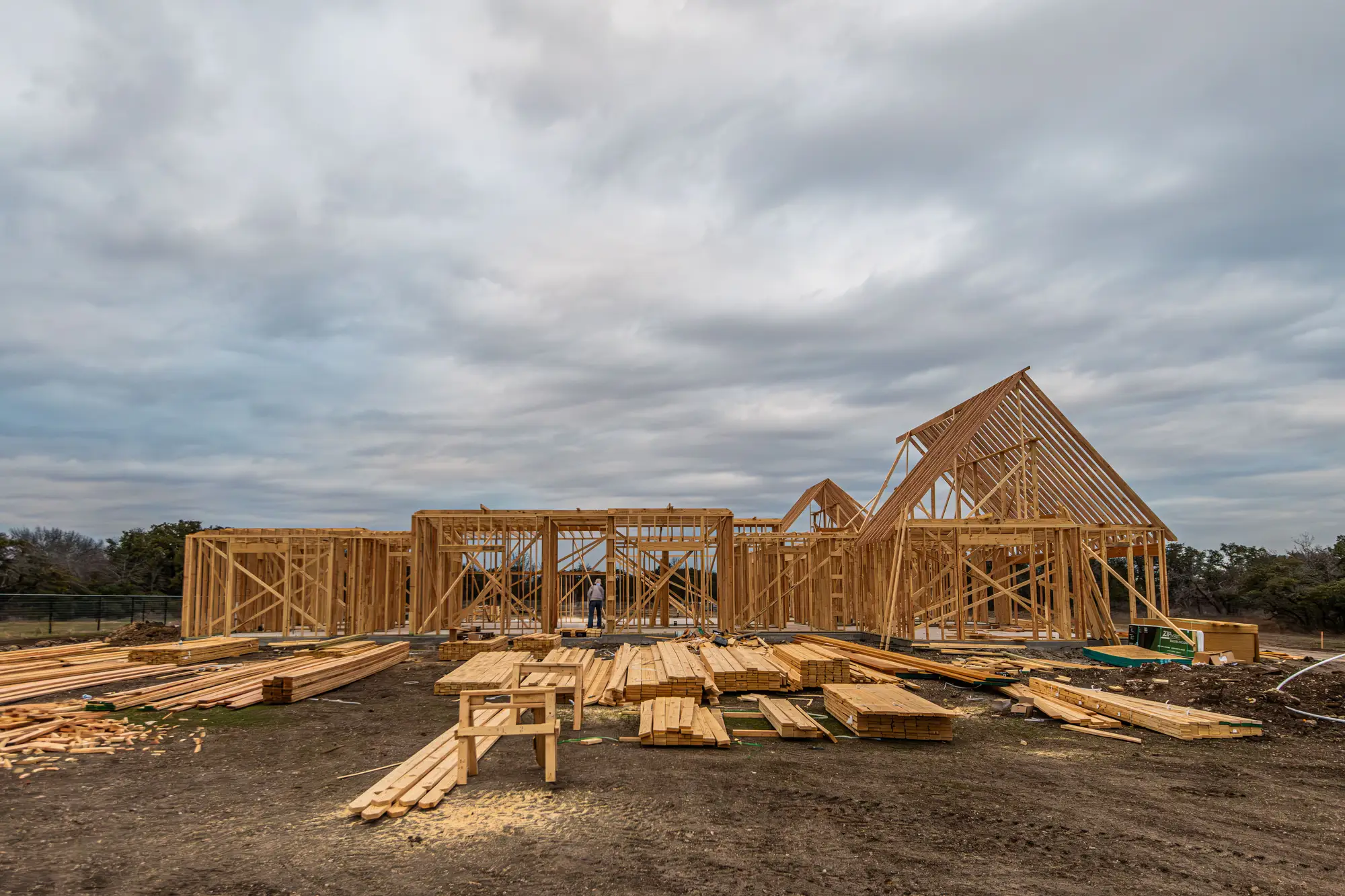 What a change order log tells a lender about the schedule
What a change order log is, how approved vs. pending entries change a draw review, and why lenders check it against the schedule.
- Field notes: the week the parking lot filled up but nothing on the schedule moved
Why a busy lot and a stalled schedule line aren't the same thing, and what weekly observed progress catches that activity alone doesn't.
 What is a two-week lookahead schedule, and why it matters at draw time
What a two-week lookahead schedule is, why owners and lenders should read it at draw time, and how it exposes slippage a monthly site walk can miss.
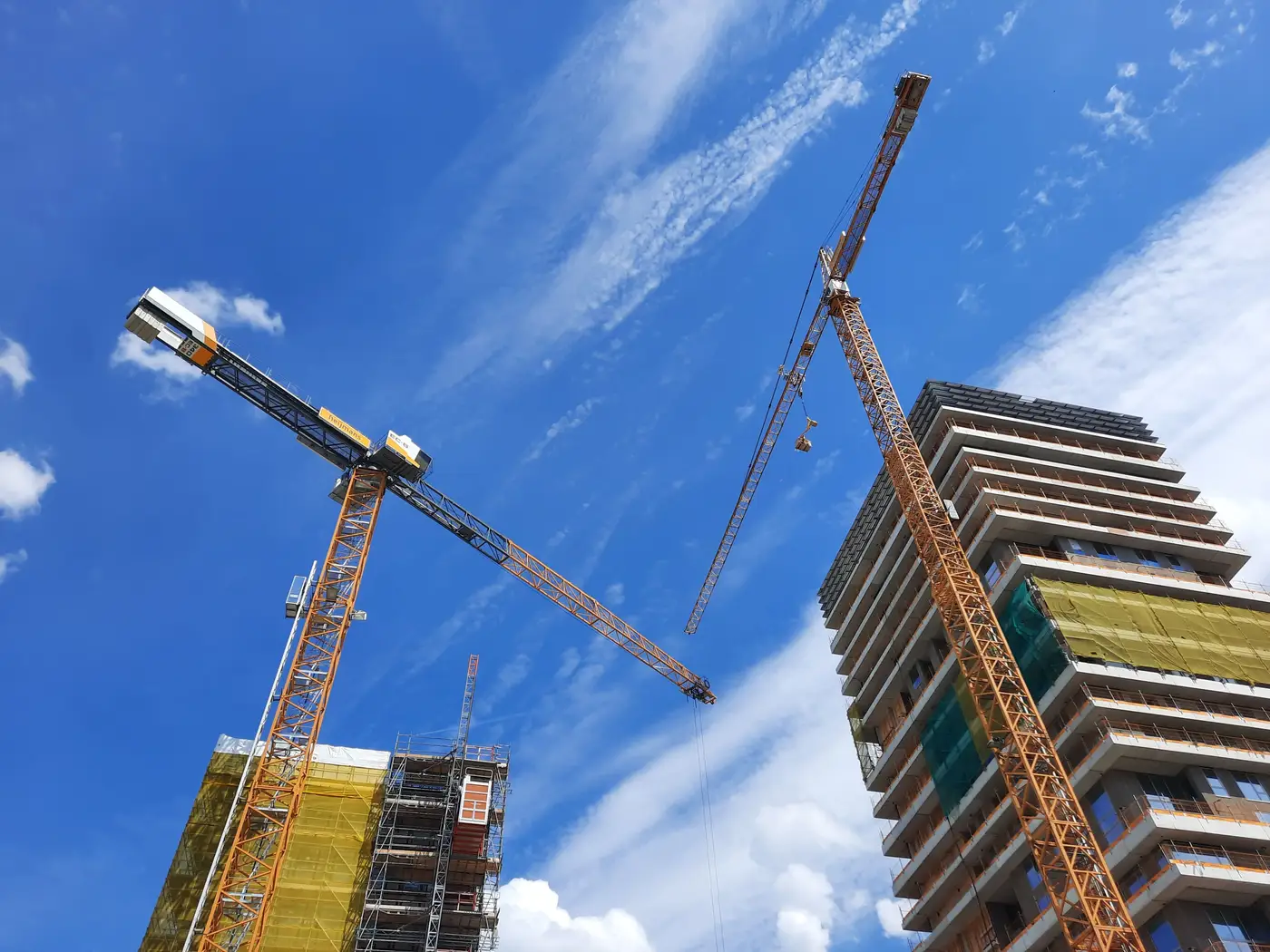 How often should a lender refresh site photos between draws?
Most construction loans get site photos once a month, at the draw. Here's why that cadence leaves lenders blind for weeks at a time.
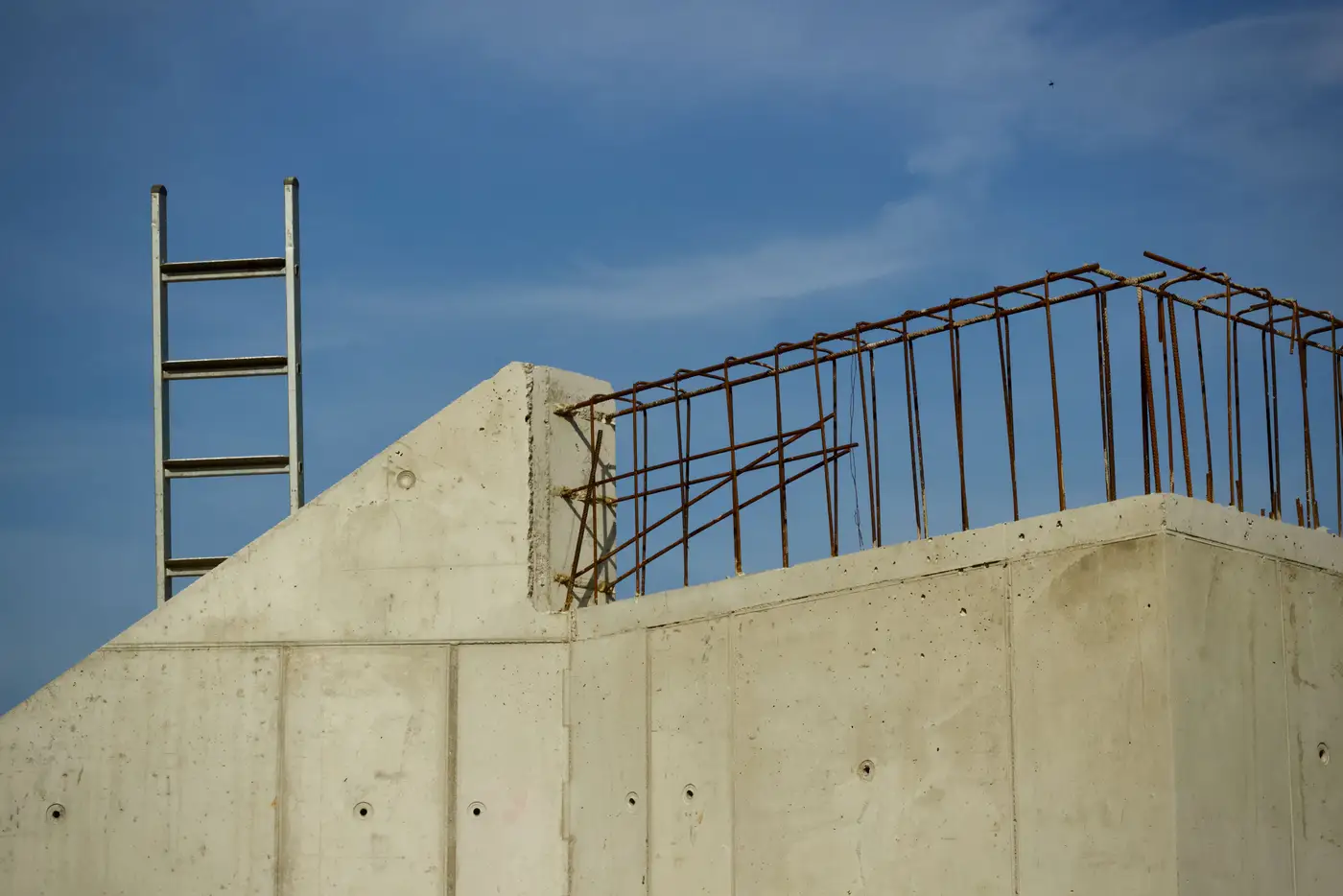 What is a progress variance in a draw file, and why lenders ask for it
A plain explanation of progress variance in a construction loan draw file: what it measures, how lenders use it, and why observed percent complete matters.
- Field notes: the week the framing crew fell behind and the pay app still said on schedule
A field-notes look at how a framing crew's slow week disappeared into a pay app that still read on schedule, and what closes that gap.
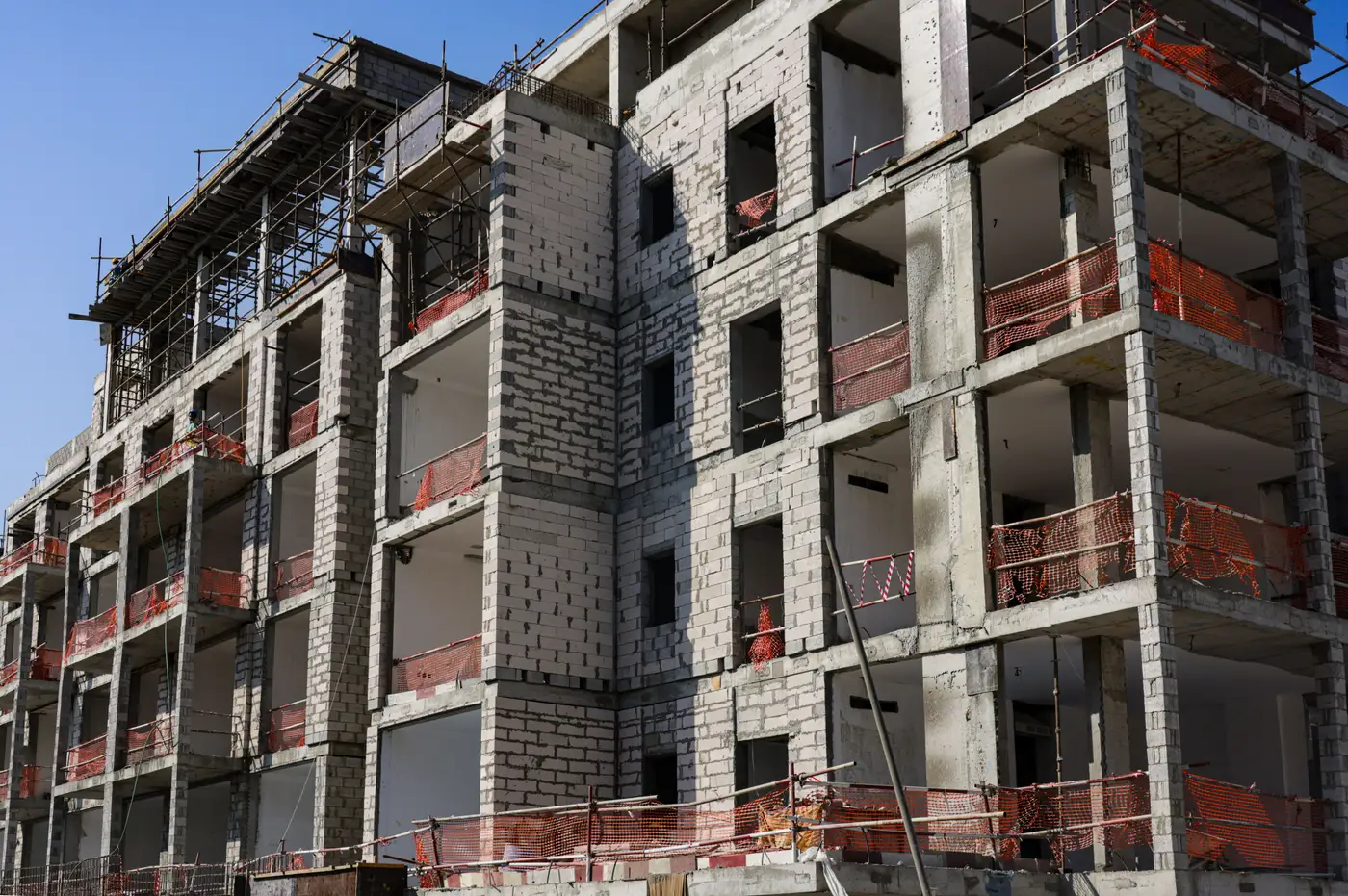 How to reconcile a GC's pay application against drone progress photos
A step-by-step way for owners and lenders to check a GC's claimed percent-complete against weekly drone photos before signing a draw.
- How to verify stored materials before approving a draw
How owners and lenders verify stored materials affidavits and site evidence before approving a draw, for on-site and off-site stored materials line items.
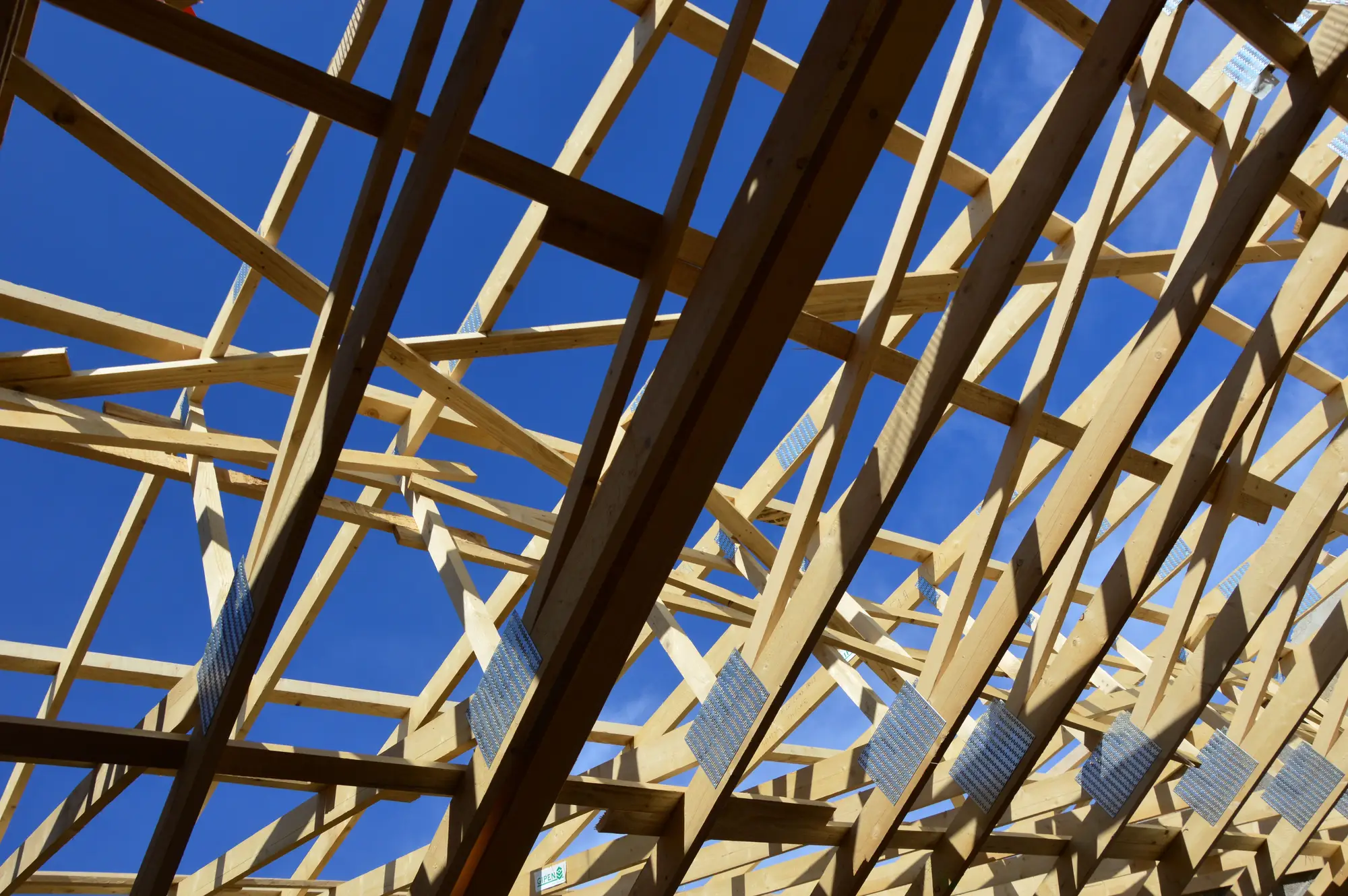 What a conditional lien waiver holds up in a draw package
A plain explanation of conditional vs. unconditional lien waivers and why the conditional kind can stall a draw before funds move.
- Holdback vs retainage: what's the difference on a construction draw?
Holdback and retainage both hold back money from a contractor, but they protect different parties on different timelines. Here's the line.
- How to read an S-curve on a construction loan draw
A plain-language walkthrough of the S-curve in a draw package: what the planned and actual lines mean, and where the gap matters.
- Early signs of schedule slippage before the next draw request
How float erodes between schedule updates, the field signs that show up before a draw request, and why a weekly observed record catches it first.
- How to read a G702 and G703 pay application
A line-by-line look at the AIA G702 and G703 forms: what each column means and where the contractor's percent-complete number comes from.
- Percent complete by cost vs. percent complete by schedule
Cost-based and schedule-based percent complete measure different things on a draw. Here's why they diverge and how owners reconcile the two.
- What is a schedule of values in a construction draw?
A plain explanation of what a schedule of values is, how its line items work, and what it means for each draw request you review.