What is a progress variance in a draw file, and why lenders ask for it
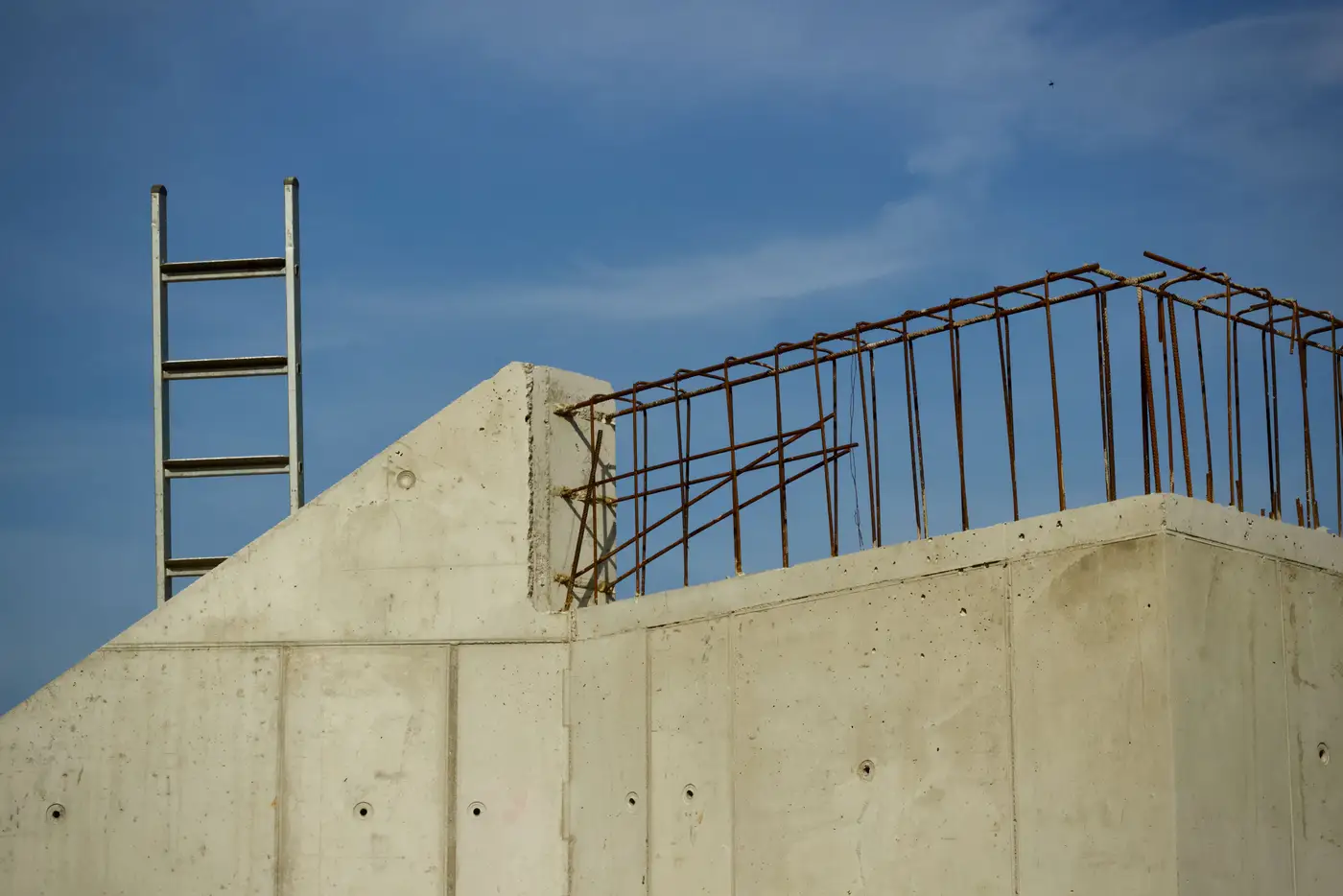
A progress variance is the gap between what the schedule says should be built by a given date and what's actually standing on site. Lenders put a number on it, usually planned percent complete minus observed percent complete, and that single figure tells a construction loan officer more about a project's health than almost anything else in the draw package.
If the schedule says the building should be 40% complete by draw six, and the inspector's observation comes back at 31%, that's a 9-point variance. Nine points isn't a crisis on its own. But it's the kind of number that gets a conversation started before the gap turns into a change order nobody saw coming.
Where the number comes from
Most draw files already carry two percentages. One is the contractor's self-reported percent complete, usually tied to the schedule of values and submitted with the pay application. The other is some form of independent observation: a third-party inspector walking the site, a monthly photo report, or a field rep's narrative notes.
The variance is just the difference between the two, or between the schedule's planned curve and whatever observed number the lender trusts. A loan officer isn't trying to catch a contractor lying. Most of the time self-reported percentages are honest estimates from someone close to the work and a little optimistic about what's left to do. The variance report exists to put a number on that optimism so it shows up in the file instead of in a change order six weeks later.
Why it matters more in the draw file than anywhere else
A draw request is a request for money tied to a claim about work completed. If the claim and the funding don't line up with reality, the lender is funding ahead of the asset. That's the exposure everyone in a construction loan is trying to manage, and it's exactly what a progress variance is built to flag.
Underwriters and asset managers who review draw files track the trend across draws as much as they read the single variance figure. A variance that holds steady around 3-4 points draw after draw usually means the schedule is a little aggressive and everyone knows it. A variance that widens, say from 4 points to 11 points to 19 points over three consecutive draws, is a different conversation entirely. That trend line is often the first real signal that a project is heading toward a schedule problem long before it shows up as a missed milestone or a request for a loan modification.
Planned vs observed percent complete isn't a paperwork exercise
Some lenders treat the variance report as a box to check, something the servicing team files and moves past. That's a mistake, because the planned-vs-observed comparison is the only line in the draw file that isn't self-reported by the party asking for the money. Draw requests, pay applications, and schedule updates all originate with the contractor or the owner's rep. The variance exists because somebody independent looked at the site and the comparison produced a number that didn't come from either party with skin in the funding outcome.
That's also why the quality of the observation matters as much as the math. A variance calculated against a drive-by inspection or a self-submitted photo set is only as good as that input. A variance calculated against a consistent, dated, site-wide record gives the lender something they can stand behind if a draw gets questioned later or an investor asks for backup.
What goes in a well-documented draw file
A draw file that holds up under scrutiny usually has the schedule baseline, the contractor's claimed percent complete, an independent observed percent complete for the same date, and the variance calculated plainly between them, with enough history attached to show the trend across draws rather than just the current number.
That's the gap Construction Progress is built to close: a weekly drone capture measured against your project schedule, turned into a progress map you can set beside the draw request instead of relying only on what the contractor reports. If your draw files are missing that independent read, it's worth seeing what a weekly observed record would add to the next one.