Observed vs. billed percent complete: what the gap means for a draw
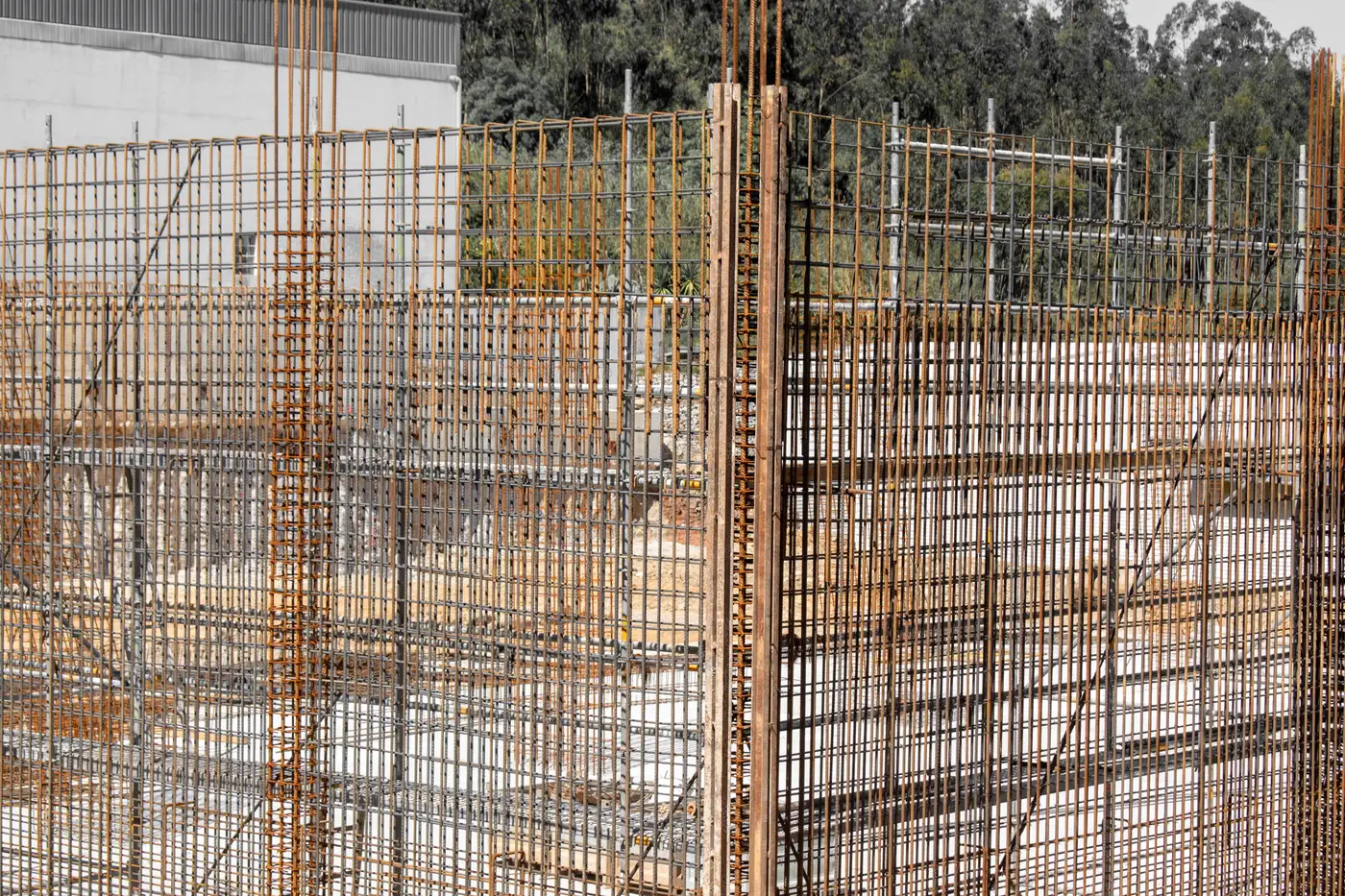
Every pay application has a number on it that nobody built. It's an estimate, filled in by the contractor's PM based on how the job feels that month, how much steel is on order, how the super thinks things are tracking against the schedule. Call it billed percent complete. It's the number that drives the draw. It's also the number nobody on the lender's side watched get made.
Observed percent complete is a different animal. It comes from what's actually standing on the site on the day someone looks, measured against the schedule of values or the baseline schedule. When the two numbers land close together, the draw is boring, which is the goal. When they drift apart, that drift is the whole story.
What billed percent complete is actually built from
The G702/G703 rolls up line items from the schedule of values, each one carrying a percentage the contractor's team assigns. Foundations at 100%, structural steel at 60%, MEP rough-in at 40%, that kind of thing. Nobody's lying when they fill it in. It's a judgment call made by people who are close to the work and want the draw funded on time, which is its own quiet pressure toward optimism. A sub who's two weeks behind on duct runs still reports a number, and that number tends to assume the crew shows up Monday and the delivery clears customs like it's supposed to.
Add retainage, change orders not yet priced, and a schedule that slipped three weeks back in April without anyone updating the baseline, and the billed number starts carrying assumptions that have nothing to do with square footage poured or units set.
What observed percent complete measures instead
Observed percent complete doesn't ask the contractor what they think is done. It looks at the site, line by line against the schedule, and counts what's there. Slab poured or not. Framing up to what floor. Curtain wall panels installed versus staged on pallets. It's a record built from the same categories as the schedule of values, so a loan officer can set it next to the pay app and compare line against line instead of guessing at the overall gap.
This is the comparison a draw review is supposed to make anyway. The difference is doing it from a site-wide capture instead of a site visit that catches one elevation on one day, or a monthly inspector report that's two weeks old by the time it lands on a desk.
Where the gap shows up on a draw
The gap rarely shows up as one big miss. It shows up as a handful of line items running ahead of where the drone or the inspection would put them, usually in trades that are hard to verify from the ground: interior finishes behind a locked door, rough-in work covered by drywall before anyone walked it, site work credited at a percentage that assumes grading finished on schedule when the rain pushed it back two weeks.
None of that means anyone's padding the pay app on purpose. Schedules slip, scopes get re-sequenced, and the number on the G703 reflects the plan as everyone understood it a month ago. But a lender funding against that number is funding against an estimate of an estimate, and the gap between billed and observed is the only place that shows up before the draw clears.
Reading the gap, not just the number
A small, consistent gap across most draws is just the normal distance between a progress estimate and a progress count, and it tends to hold steady project to project. What's worth a second look is a gap that widens, or one that's concentrated in a trade that's been reporting the same percentage for three draws running. That pattern is easier to catch with a week-over-week record sitting next to the schedule than with a single snapshot taken once a month.
Construction Progress builds that record: a weekly capture measured against the project schedule, delivered as a progress map that sits beside the draw request instead of standing in for it. If your draw reviews are running on the contractor's number alone, it might be worth putting an observed one next to it.