Field notes: the week the framing crew fell behind and the pay app still said on schedule
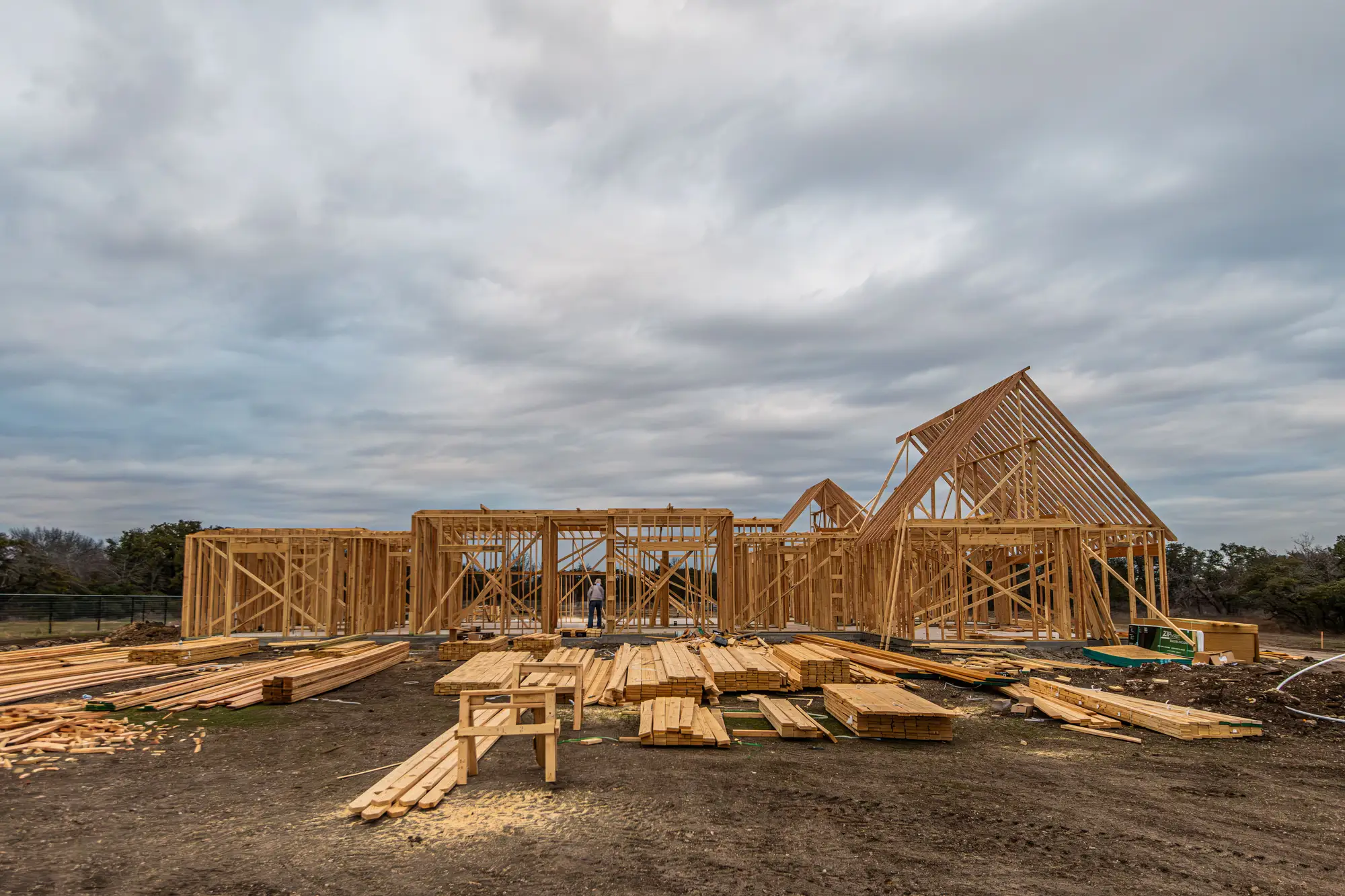
The pay app came in on a Thursday, like it always does. Line item for framing: 62% complete, up from 54% the month before. Eight points in four weeks. On paper, the trade was moving.
On site, it wasn't.
I'd walked the building the Tuesday before with the super, and the second floor was still waiting on sheathing at the north stair. Two framers had rolled off the job midweek to cover a punch list on another project the same contractor was closing out. The crew that was left was working the easy bays first, the ones with clean sightlines and no MEP rough-in to dodge, which is a reasonable way to keep a schedule looking busy and a frustrating way to finish a floor.
None of that shows up in a percent-complete number that one person writes down at the end of the month.
This isn't a story about a contractor lying. Most of the self-reported numbers I see are honest guesses made under real pressure, by a PM who's also tracking submittals, RFIs, and a materials delay on the curtain wall, and who rounds up because last month's draw got held up over a two-point disagreement nobody wanted to repeat. The incentive runs one direction. A number that matches the schedule clears faster than a number that doesn't, so the number drifts toward the schedule whether or not the framing does.
The trouble is what happens three weeks later, when the gap has compounded instead of closing. The crew that fell behind on framing is still behind when drywall is supposed to start, and now you're not looking at a one-week slip, you're looking at a sequencing problem that touches three trades and a lender draw that's already been approved against work that wasn't there yet.
I've sat in enough draw meetings to know the question that actually matters isn't "do you trust the contractor." It's "what did you see, and when." A pay app is a claim. It isn't evidence of itself, and treating it like evidence is how a one-week slip turns into a six-week one before anyone outside the trailer notices.
What would have caught this one early is almost boring: a weekly picture of the building compared against where the schedule said it should be, taken every week, the same way, from the same angle, long before the monthly draw or the final walk-through. A record you can lay next to the pay app and ask the contractor to explain the difference, instead of asking them to defend a number they wrote themselves.
That's the whole idea behind a weekly observed-progress record measured against the schedule instead of against the last invoice. It doesn't replace the conversation with the contractor. It changes what the conversation starts from. Instead of "we think we're at 62%," you're both looking at the same week's capture and arguing about what it shows, which is a much shorter argument than arguing about whose number to trust.
The framing crew on that job did eventually catch up. It cost an extra week of overtime and a testy call with the GC about resequencing the second floor around a stair that still wasn't closed in. Nobody got fired over it. But the draw that cleared the month before was paid against a number that wasn't true yet.
It worked because a super happened to walk the right floor on the right Tuesday. Nothing in the process would have caught it otherwise.
If you're tired of finding out about a slip after the draw already cleared, that's the week to start watching the site instead of the pay app.