Field notes: the week the parking lot filled up but nothing on the schedule moved
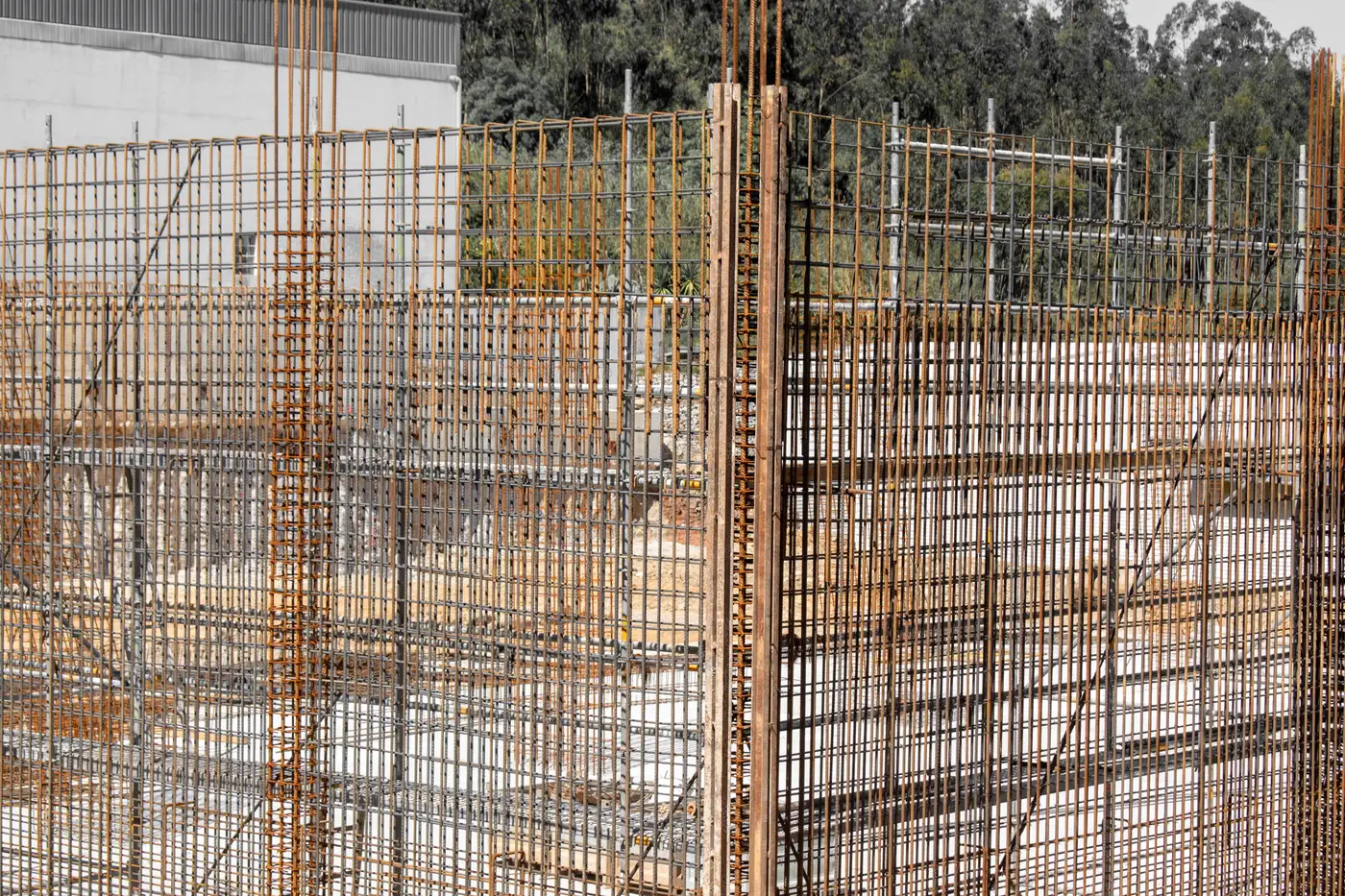
There's a particular kind of week that shows up on almost every project at some point. The gravel lot that's usually got three trucks on it has fifteen. There's a pump truck wedged into the corner, two concrete trailers, a stack of rebar cages waiting on something, and a dumpster that got swapped twice. From the road it looks like the busiest the site has been in a month.
Then you pull the schedule update and the structural concrete line is sitting at the same percentage it was last week.
Owners notice this. Lenders notice it faster, because they're the ones signing off on a draw that's supposed to track against that same line item. The instinct is to assume the schedule is stale or the superintendent is sandbagging. Sometimes that's true. More often, what you're looking at is the difference between activity and progress, and a full lot is activity before it's progress.
A lot fills up for reasons that have nothing to do with the task that's being billed. A sub mobilizes early because their next job got pushed and they'd rather stage here than sit idle. A delivery gets bunched because the supplier batched three orders into one truck run. Rain pushed pours for two days straight, so everything that was supposed to happen Monday through Wednesday happens Thursday and Friday, all at once, with every trade on site at the same time trying to make up the week. None of that moves a percentage. It makes the place look like something's happening, because something is, it's just not the thing the schedule is tracking.
The reverse happens too, and it's worth saying out loud because it's the one that costs money. A lot can sit nearly empty on a week where real, billable progress gets made. Formwork strips and footings cure. A crew of four finishes backfill that took three weeks to get the pipe inspected for. Nobody's truck count tells that story. Read site condition off how full the lot looks on a drive-by and that's the week you'd call it quiet, the same week the real number moved.
This is the gap that self-reported percent-complete can paper over without meaning to. A contractor's pay app says 62% because that's what their internal tracking says, and their internal tracking is honest work. It's built around labor hours logged and material committed, a number that moves on paperwork and procurement rather than on what's visibly standing in the structure. A lender reading a draw request wants to know what's built. Ordered, staged, and deposited are separate categories, and the pay app doesn't always separate them for you.
A record of the site itself, taken often enough that one busy week or one quiet week doesn't get read as the trend, answers the question a truck count can't. That's the premise behind a weekly flight measured against the schedule instead of against who showed up and how much they brought with them. You're looking at the structure itself, week over week, measured against the line items the draw is tied to.
None of this means the full lot is meaningless. It's often the first sign that something's about to move, a few days before it shows up as real progress on the ground. But it's a leading indicator, not the measurement itself, and a draw request needs the measurement.
If your next pay app is riding on what the site shows rather than how busy it looked from the gate, that's the week to start flying it.