What a change order log tells a lender about the schedule
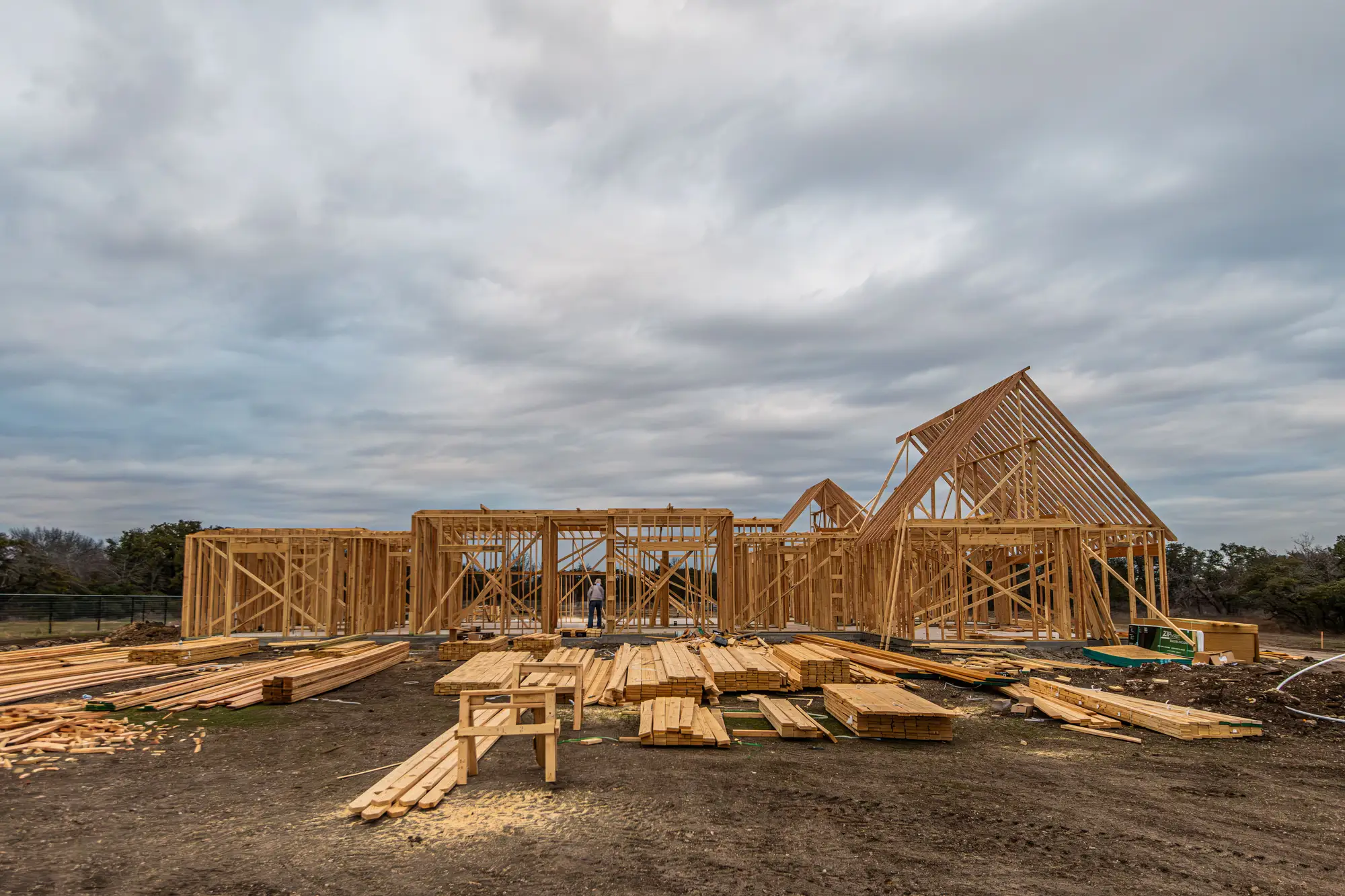
A change order log is the running list of every change to the original contract: scope added, scope cut, unit prices adjusted, time added to the schedule. Every GC keeps one. Every draw request references it. And on a construction loan, it's one of the first things an underwriter or construction risk reviewer pulls before they sign off on a draw, because the log is where the budget and the schedule stop agreeing with each other.
A schedule is built on a scope. The moment a change order adds a wing to the building, reroutes underground utilities, or swaps a structural system, the original schedule is no longer the schedule for the thing going up. The contractor's percent-complete number, the one tied to the original schedule of values, starts drifting from reality. A line item might show 80% complete against the original scope while the change order that added five weeks to that same line sits in the log still marked pending.
Approved vs. pending: why the distinction changes the draw
This is the split that matters most to a lender reviewing a draw package, and it's often glossed over in the paperwork that gets attached.
An approved change order has a signed cost and a signed time impact. It belongs in the schedule. The project's critical path should already reflect it, and the percent-complete reported against that line should be measured against the revised scope, not the original one.
A pending change order is a claim. The GC has priced it, maybe even started the work under a letter of direction, but the owner or architect hasn't signed off. Pending change orders are the ones that create the most exposure in a draw review, because contractors sometimes bill progress against work that's technically still a pending change, before the paperwork catches up. Sometimes that's just the pace of a job site outrunning the pace of a change order review meeting. From a lender's chair, a draw that includes progress on unapproved scope is still a draw funding work the budget doesn't officially account for yet.
A reviewer who's done this a while will cross-reference three things before approving a draw: the change order log, the updated schedule (or lack of one), and the percent-complete claimed on the pay app. If the log shows six pending change orders and the schedule hasn't been reissued since month two, that combination is worth a direct question before the money moves.
What a change order does to a schedule
Change orders don't just add dollars. They add float, consume float, or eat into the contingency a schedule was never built to absorb. A delayed submittal approval that turns into a change order for overtime shows the GC burning float to protect the finish date. A scope addition with a four-week fabrication lead time pushes the critical path out, whether or not anyone's updated the schedule document to show it.
This is the gap that shows up in draw reviews over and over: the pay app says 65% complete. The schedule, if it's even current, says the project should be at week 30 of 42. The change order log says there are nine pending change orders worth a combined six weeks of schedule impact, none of them reflected in either number. Three documents, three different stories, and the only way to reconcile them is to look at the site itself.
Checking the log against what's built
The change order log records what changed on paper. Matching it to the schedule and the pay app shows what should be built by now, on paper. Confirming what's actually built on site takes a separate record, one tied to the site itself rather than to a stack of paperwork.
That's the gap a weekly observed-progress record closes: a site-wide capture measured against the schedule, so a reviewer isn't relying on the contractor's self-reported percentage to tell the whole story. If you're reconciling change order logs against draw requests on a regular basis, it's worth seeing what that looks like on your own site before the next draw comes in.